
The conversation I almost didn’t have
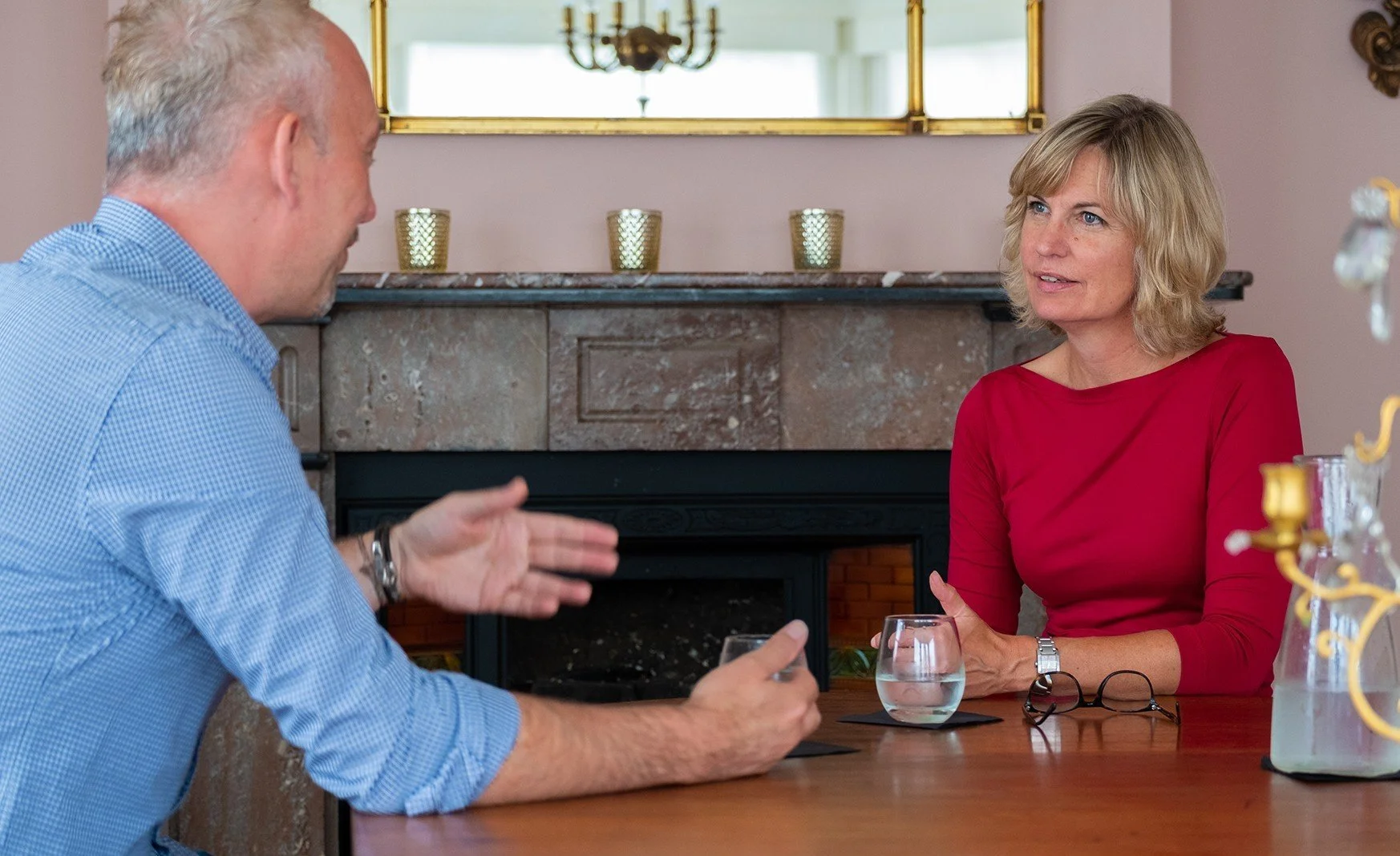
Is there a conversation you’ve been circling?
I ask because a couple of years ago I nearly dodged one myself and I’m glad I didn’t.
It began with a coaching client who was rude and dismissive in one of our early sessions. It wasn’t subtle. It was the kind of behaviour that’s hard to ignore, however much you’d like to.
Between sessions, I chewed it over. Should I say something? Part of me felt the pull to let it go, because it could so easily become an awkward conversation. When I thought about speaking up about it I noticed my chest began to tighten.
But I knew I couldn’t let it go. I had to be bold.
At our next session, I named it. I told them what I’d noticed and the impact it had on me, not as an attack but as an honest reflection. I held up the mirror. It was uncomfortable.
It was also one of the best things I could have done, for both of us. The coaching relationship that followed was deeper, more honest and far more powerful than anything we’d managed before. The conversation didn’t damage the relationship. It created it.
“The conversation is the relationship”
This situation came to mind recently while I was reading “Fierce Conversations” by Susan Scott. Her central idea is deceptively simple: the conversation isn’t a reflection of the relationship, or a part of it. The conversation is the relationship. In her words, “Our work, our relationships and our lives succeed or fail one conversation at a time.”
That really landed with me.
Most of us avoid difficult conversations for understandable reasons. We fear the other person’s reaction, or making things worse, or being seen as difficult. So we wait for the right moment, tell ourselves it will pass, and quietly absorb the cost of staying silent.
Scott cuts through that with a line I find very powerful: “While many fear ‘real,’ it is the unreal conversation that should scare us to death.”
Silence isn’t neutral
Every avoided conversation doesn’t preserve the relationship. It slowly erodes it. The unspoken thing becomes a presence in the room. We think we’re protecting something by staying quiet, but we’re really just letting it deteriorate more slowly.
The conversation I nearly avoided was the one that unlocked everything.
A small thing to try
If you’ve got something you’ve been putting off, here’s a simple way in. You don’t need a perfect script, just focus on these three elements:
What I noticed: “In our meeting on Tuesday, I noticed…”
The impact: “The effect on me/the team was…”
An invitation: “I’d like to understand what’s going on for you.”
Stick to what you saw and what it meant, rather than guessing at motives and then be curious. It won’t make the conversation painless, but it keeps it human.
Over to you
What’s the thing you’re not talking about?
Consider this your encouraging nudge.
Have the real conversation. It might be uncomfortable. It might be a little messy.
But on the other side of it could be the more honest, more connected relationship you actually want.